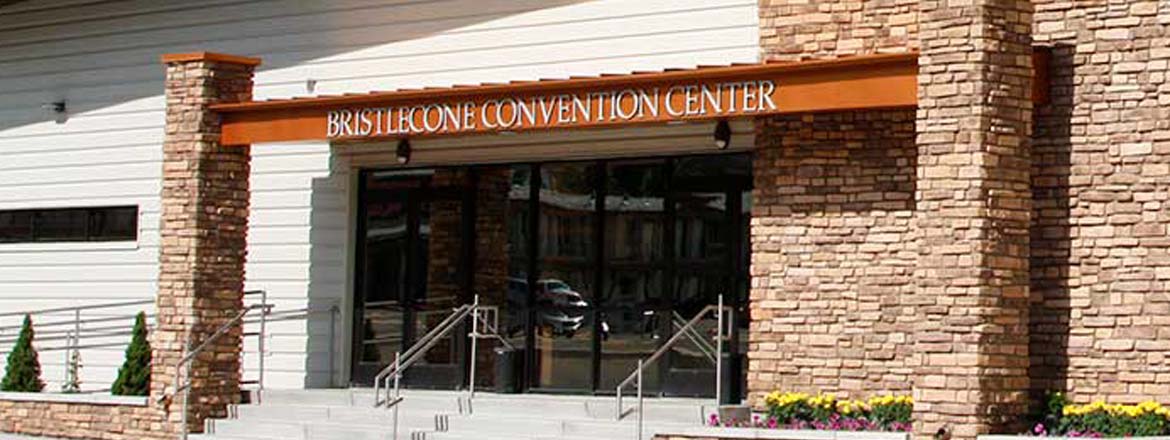
Nevada's Great Basin region contains the most active geothermal field in North America. The same geomorphology that created the basin and range landscape has caused Earth's crust to be very thin in this area. This close proximity to subsurface magma pockets allows super-heated water to form hot springs across the region.
The information on this page should be used with care. Not all hot springs are really hot (some are just in the "warm" category.) Other springs can be scalding and physically dangerous. The information provided here is simply meant as a reference. Do your own research and proceed with caution!
Click on the following map icons to get more information about each hot spring. The locations marked with red stars tend to be the most popular and accessible. Locations marked with an orange dot  have extended descriptions available. Locations with a blue dot
  only have geochemical data. Most of the minor locations haven't been field-checked in years, so do your own research before you head out. Not all hot springs are suitable for public soaking. Use your own discretion.
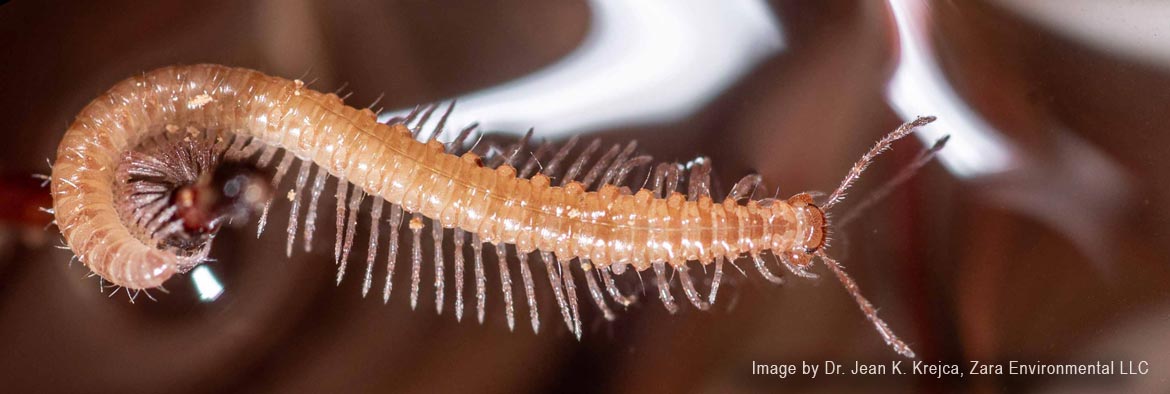
Cave ecosystems are often dependent on organic material carried in by water, which serves as the primary food source for the environment. In arid climates with minimal surface rainfall, the input of organic matter and nutrients into caves becomes limited, affecting the overall energy flow within these environments. The intricate interplay between surface conditions and cave biota presents unique management challenges for modern cave biologists. Image courtesy of Dr. Jean K. Krejca, Zara Environmental LLC.


Since 1941 the NSS has been at the forefront of cave science, conservation, and exploration. Join our 8,500+ member community and come caving.
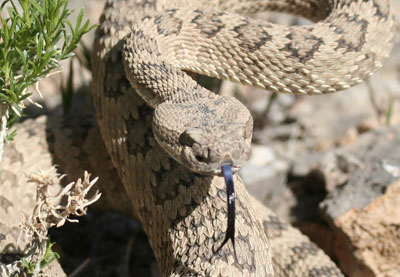
Great Basin rattlesnakes (Crotalus oreganus lutosus) are the only venomous snake species in Great Basin National Park. These rattlesnakes rarely exceed 40 inches in total length, reproduce every two to three years, and feed primarily on rodents and lizards.
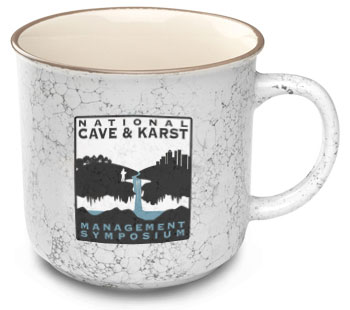
Campfire Coffee Mug
Stay up all night with our personalized ceramic coffee mug.
This 13oz mug is perfect for school, campfire socials, marathon thesis proofreading, and all-night grant-writing sessions.