

The geology of Nevada began to form in the Proterozoic at the western margin of North America. Terranes accreted to the continent as a marine environment dominated the area through the Paleozoic and Mesozoic periods. Intense volcanism, the horst and graben landscape of the Basin and Range Province originating from the Farallon Plate, and both glaciers and valley lakes have played important roles in the region throughout the past 66 million years.

The Great Basin National Heritage Area is the epitome of remote destinations with the Great Basin National Park, hundreds of miles of ATV trails, and numerous natural attractions. Explore the wide open spaces, travel uncrowded trails, and experience some of the darkest night skies in the country.
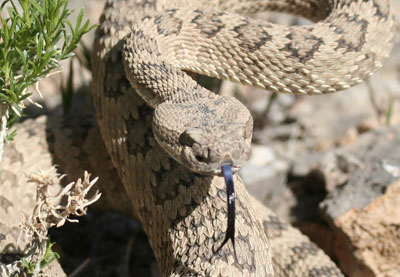
Great Basin rattlesnakes (Crotalus oreganus lutosus) are the only venomous snake species in Great Basin National Park. These rattlesnakes rarely exceed 40 inches in total length, reproduce every two to three years, and feed primarily on rodents and lizards.