

Ely experiences a semi-arid climate and consistently remains much cooler than southern Nevada. Our symposium dates in October should deliver a very pleasant surface temperature... but it's always wise to be prepared for anything!
The Western Climate Center reports that average October temperatures are a maximum of 65°F and a minimum of 28°F.

Sunny, with a high near 64. South wind around 10 mph.

Partly cloudy, with a low around 37. South southeast wind 10 to 15 mph.
Scattered showers and thunderstorms between 11am and 5pm, then isolated showers and thunderstorms. Mostly sunny, with a high near 63. South southeast wind 10 to 15 mph. Chance of precipitation is 30%. New rainfall amounts less than a tenth of an inch possible.

Scattered showers and thunderstorms. Partly cloudy, with a low around 38. South southeast wind around 10 mph. Chance of precipitation is 30%. New rainfall amounts less than a tenth of an inch possible.
Scattered rain showers before 5pm, then a chance of showers and thunderstorms. Partly sunny, with a high near 64. Southeast wind 10 to 15 mph, with gusts as high as 30 mph. Chance of precipitation is 60%. New rainfall amounts less than a tenth of an inch possible.
Showers and thunderstorms. Mostly cloudy, with a low around 39. Chance of precipitation is 80%. New rainfall amounts less than a tenth of an inch possible.
Rain showers before 8am, then showers and thunderstorms. Cloudy, with a high near 56. Chance of precipitation is 90%. New rainfall amounts between a quarter and half of an inch possible.
Rain showers. Cloudy, with a low around 33. Chance of precipitation is 90%.
A chance of rain showers before 5pm. Partly sunny, with a high near 49. Chance of precipitation is 60%.

Mostly clear, with a low around 25.
Sunny, with a high near 51.
Mostly clear, with a low around 28.
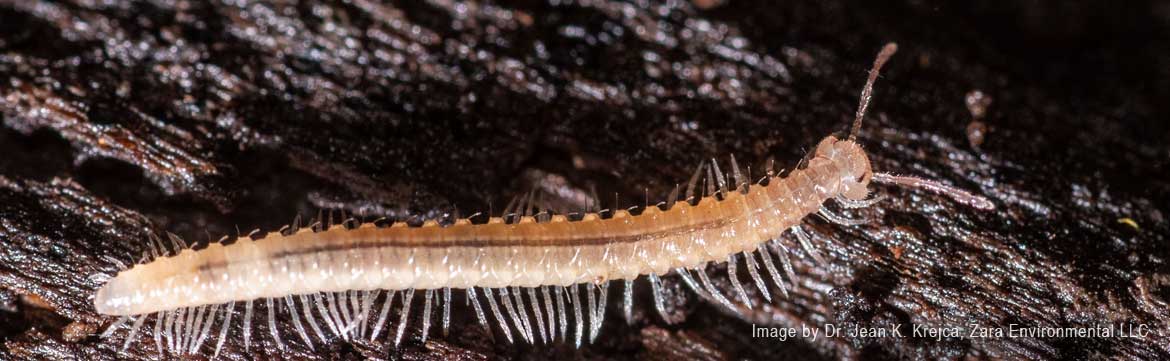
Cave ecosystems are often dependent on organic material carried in by water, which serves as the primary food source for the environment. In arid climates with minimal surface rainfall, the input of organic matter and nutrients into caves becomes limited, affecting the overall energy flow within these environments. The intricate interplay between surface conditions and cave biota presents unique management challenges for modern cave biologists. Image courtesy of Dr. Jean K. Krejca, Zara Environmental LLC.


The National Cave and Karst Research Institute (NCKRI) is a nexus of research, stewardship, outreach and information for caves and karst while fostering interdisciplinary collaborations, created by the US Congress in 1998 in partnership with the National Park Service, State of New Mexico, and the City of Carlsbad.
NCKRI is located in Carlsbad, NM, and is a research center of the New Mexico Institute of Mining and Technology.
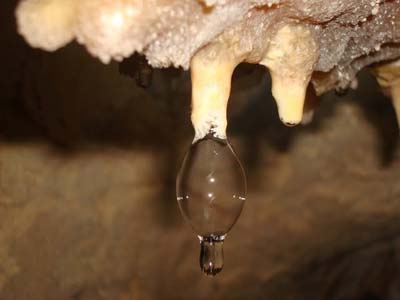
Lehman Caves attracts tens of thousands of visitors to eastern Nevada yearly, a trend that began not long after their discovery in the late 1880s. For over 60 years, Lehman Caves National Monument protected these underground wonders, with their unique geology and ecology. And today, they remain protected as part of Great Basin National Park.
The 2016 NSS 75th anniversary convention in Ely, Nevada will include tours of this beautiful cave.

h2go Essen Vacuum Food Container
It's a double-wall, stainless steel, 17 oz capacity thermos from h2go®. This thing is more rugged than your cave pack! We've been trying to beat up the manufacturer's sample they sent, but it keeps winning. Hot things stayed hot, cold things stayed cold.
And ours will have the cool NCKMS logo printed on it.
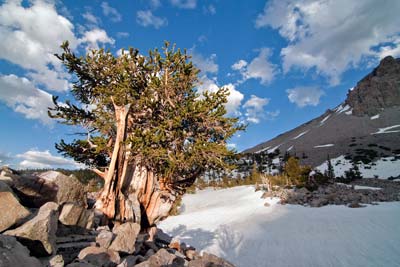
Many of Great Basin National Park's bristlecone pines were growing at the time the Egyptians were building the pyramids. Not only are the trees themselves old, but the needles alone can be 25-40 yrs old!