Audio Tour: Sacramento Pass, Baker & Great Basin National Park
The Baker Archaeological Site, also known as Baker Village, contains the remains of a Fremont Indian village occupied from approximately 1220 to 1295 CE. The Fremont lived in this well planned community of several small pit houses and granaries, surrounding a main big house, and practiced a form of agriculture.
The site was excavated by Brigham Young University's Office of Public Archaeology, in cooperation with the BLM, from 1991 to 1994. Recovered artifacts are currently stored at BYU's Museum of People and Cultures in Provo, Utah.
After the excavations, the site was backfilled (reburied with the dirt that was removed during excavation), a necessary step in protecting the cultural features that remain. As a result, the foundations of the village can no longer be seen on the surface. The walls visible today are modern walls, built in 2002. Artifacts found on the ground may be observed, but not removed, from the site.
The site is currently administerd by the Bureau of Land Management. Brochures and an information kiosk are located at the parking area. A restroom, picnic tables, and a sun shelter are available for day use. No water is available.
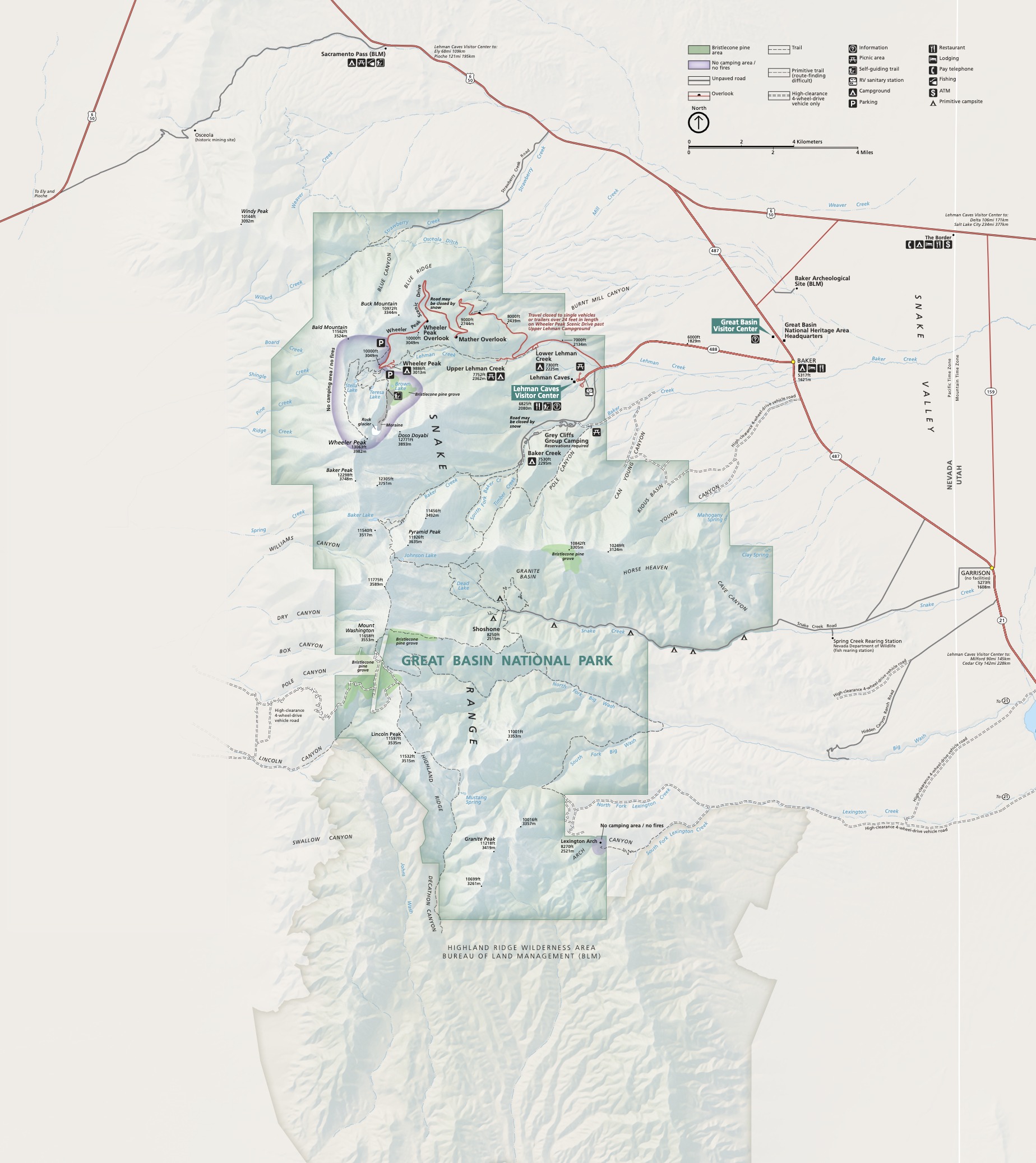
The Baker Archaeological Site is located on a cut-off road that runs between NV Hwy 487 at Baker, Nevada, and US Hwy 6/50. The cutoff is one-half mile north of the Great Basin Visitor Center.

Fremont Pilling Figurines, unfired clay Fremont figurines, on display in the College of Eastern Utah Prehistoric Museum. Image by Brian Lee/CC BY-SA 3.0 (Wikimedia).
Fremont and Ancestral Puebloan people began to incorporate farming into their hunter-gatherer lifestyles approximately 2,000 years ago. Baker Archaeological Site is the most western site attributed to the Fremont culture.
Anthropologists suggest that the Fremont were hunter-gatherers who supplemented their diet by farming corn, beans, and squash along waterways and floodplains. Edible native plants included pinyon nuts, rice grass, and a variety of berries, nuts, bulbs, and tubers. Corn was ground into meal on a stone surface (metate) using a hand-held grinding stone (mano). Deer, bighorn sheep, rabbits, birds, fish, and rodents were hunted using snares, nets, fishhooks, the atlatl (spear-throwing stick) and the bow and arrow.
Several artifacts are distinctive to the Fremont. A unique style of basketry, called one-rod-and-bundle, incorporated willow, yucca, milkweed and other native fibers. Pottery, mostly graywares, had smooth, polished surfaces or corrugated designs pinched into the clay. The Fremont made moccasins from the lower-leg hide of large animals, such as deer, bighorn sheep, or bison. Dew claws were left on the soles, possibly providing extra traction on slippery surfaces.
Elevation: 5,278 ft
State: Nevada
District: White Pine County
Coordinates (WGS84): 39.03737; -114.12246
Nearest town: Baker, NV
Distance from the convention center: 62 miles

The Fremont culture or Fremont people is a pre-Columbian archaeological culture which received its name from the Fremont River in the U.S. state of Utah, where the culture's sites were discovered by local indigenous peoples like the Navajo and Ute.


The Cave Research Foundation is a private, non-profit organization dedicated to:
Facilitating research, management and interpretation of caves and karst resources; Forming partnerships to study, protect and preserve cave resources and karst areas; Promoting the long term conservation of caves and karst ecosystems.
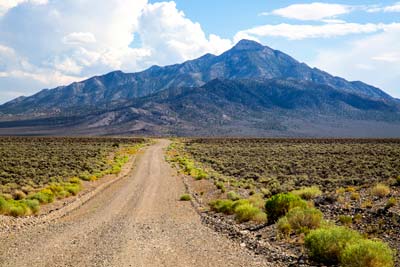
Nevada is the most mountainous state in the country, with over 300 individual mountain ranges and 42 named summits over 11,000 feet!
 Mostly clear, with a low around 31. South southeast wind 10 to 15 mph.
 Sunny, with a high near 60. South wind 10 to 15 mph, with gusts as high as 35 mph.
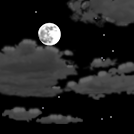 Partly cloudy, with a low around 31. South wind 5 to 15 mph, with gusts as high as 30 mph.
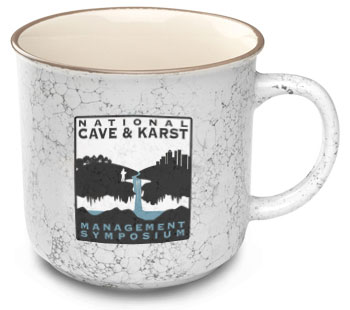
Campfire Coffee Mug
Stay up all night with our personalized ceramic coffee mug.
This 13oz mug is perfect for school, campfire socials, marathon thesis proofreading, and all-night grant-writing sessions.