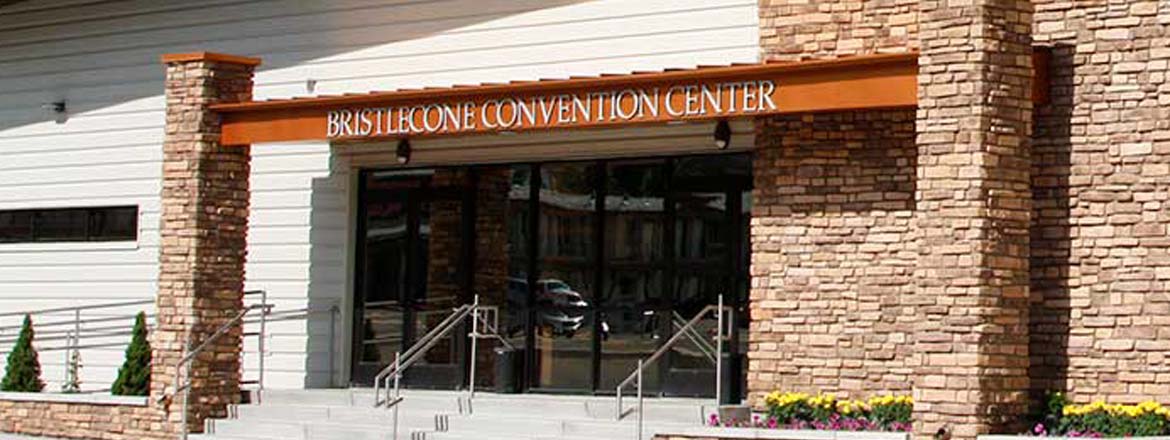
Presenters and invited contributors from the 2025 NCKMS must submit all content for the official printed proceedings by Sunday, May 3, 2026. Submissions (and all attachments) must be sent to: proceedings@nckms.org
The official proceedings will be made available to university libraries, research institutes, government agencies, academics, students, and the general public. We will be printing in full color, so feel free to include a reasonable number of images if they compliment your research. For space considerations, our editors reserve the right to omit images if you go overboard!
Official Format
We require that all submissions follow a consistent format for publication. For your convenience, you may download an MS-Word template by clicking HERE.
We very much prefer that you send your submissions in MS-Word (DocX) format, but we will try to accomodate other formats if absolutely necessary. All images and figures should be embedded in your document _and_ attached to your email as individual files. Please see the template example for additional instructions.
A reference PDF example is available HERE.
Your submission deadline is Sunday, May 3, 2026!
Proceedings Publication
Some of you have already ordered printed copies in advance. If you did not select that option when registering for the symposium, we will be taking orders up until Friday, May 29. Order forms will be made available on this page in the next few days. Check back for a link to our order form.


In July of 1986, Life magazine dubbed Nevada's Highway 50 the "Loneliest Road in America." The article claimed there were "no points of interest" along the route and "warned" readers not to risk traveling it unless they were confident of their survival skills. However, Nevada adventurers knew better then - and still do. Sure, a road doesn't get much more wide-open than Highway 50. But that's exactly why we dig it!
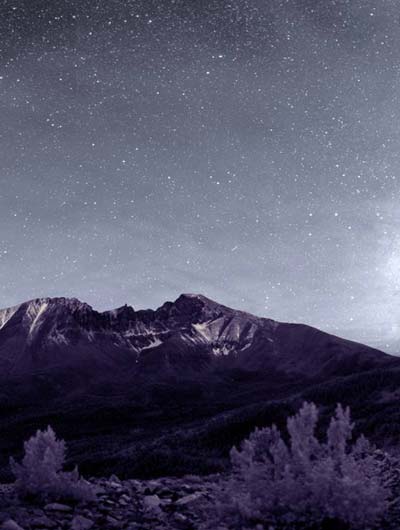
According to the National Park Night Sky Team, Great Basin National Park is one of the best parks for viewing star-filled night skies!