

The biennial National Cave & Karst Management Symposiums are run by an all-volunteer production team and steering committee. This helps us keep the costs low so we may accommodate more participants, but it also means we need your help to promote the conference!
Here are a few ways you can help!
We'll be using the hashtag of #nckms2025 in all of our posts. Feel free to cross-post any pages from this website into your social media feeds - including the hashtag!
Sometime in the next few months, we hope to start a monthly contest to give away some free stuff to people who help "spread the word"! (pro tip: we'll be looking for that hashtag!). If you want to participate in this, be sure to sign up for our newsletter.
Follow us on:
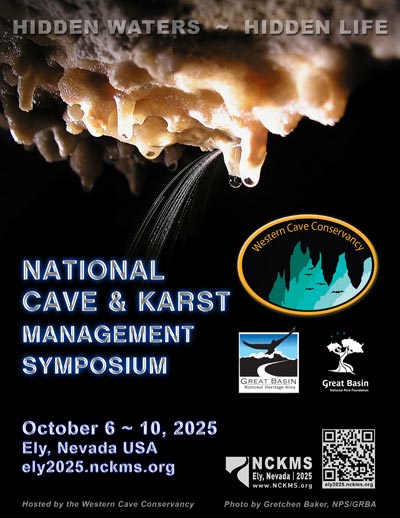
Pleasse feel free to refer our media collection to any grotto or trade publication editors involved in cave or karst management. Additional material will be added over the coming months.
Media LibraryMuch like any volunteer-led non-profit, NCKMS events run on a limited budget. We would appreciate any efforts you might provide to help us promote this event to your network of industry professionals and also to your caver friends who might have an interest in the symposium.
We invite you to check our our media library at:
https://ely2025.nckms.org/static/media/
Material in our library collection may be freely reprinted by any internal organization of the National Speleological Society. We would also be happy to provide this resource to any trade publications or websites that might be relevant to the symposium.
We'll add more material to the collection in the coming months. Please be sure to check back for updates.

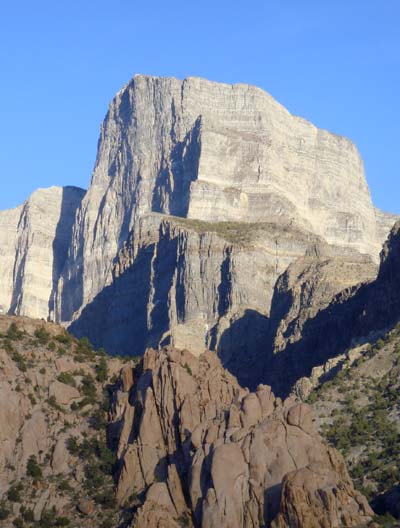
Notch Peak, located in West Millard County, Utah, and visible from Great Basin National Park, towers above the desert valleys at 9,725 ft. elevation. This 3,000 ft sheer cliff is one of the tallest limestone cliffs in America.
Advance registration for the 2025 symposium is expected to open in mid-2024. We will send an email to past attendees when that system comes online.
Feel free to join our mailing list if you would like to receive occasional updates on our plans.